Prices
Pokémon Card Values: How to Find What Your Cards Are Worth
Every price on this page is pulled live from market data at build time — nothing here is typed in by hand.
A Pokémon card has three different "values": the market price (average of recent sales), sold comps (what buyers actually paid), and the asking price (what sellers wish for). Sellers get burned pricing from asks; buyers get burned paying them. This site tracks the first two live and always labels the third for what it is.
The three numbers, and when each one lies
| Number | What it is | Trust it when… |
|---|---|---|
| Market price | TCGplayer's rolling average of recent sales | Raw modern cards that sell often. Weakest on brand-new sets (backfills slowly) and rare cards with few sales. |
| Sold comps | Individual completed eBay sales | Always — it's the ground truth. Essential for graded cards, vintage, and anything the market price lags on. |
| Asking price | What a live listing hopes to get | Almost never as a value. Useful only as "the cheapest way to buy one right now" — we always label these as asks. |
Most valuable tracked cards right now
Live TCGplayer market prices, eBay asks refreshed with the data pipeline — click through any card for its full price history, PSA 10 comparison and sold comps.
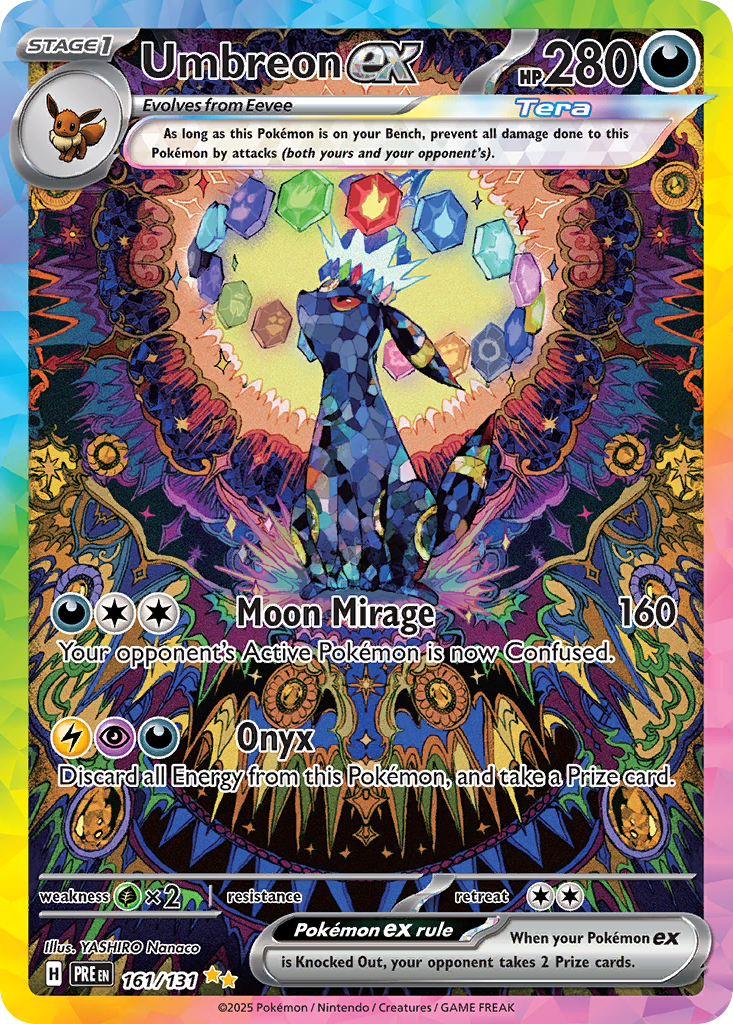
Umbreon ex 161/131
Prismatic Evolutions
$1,356 market
eBay ask $990.00
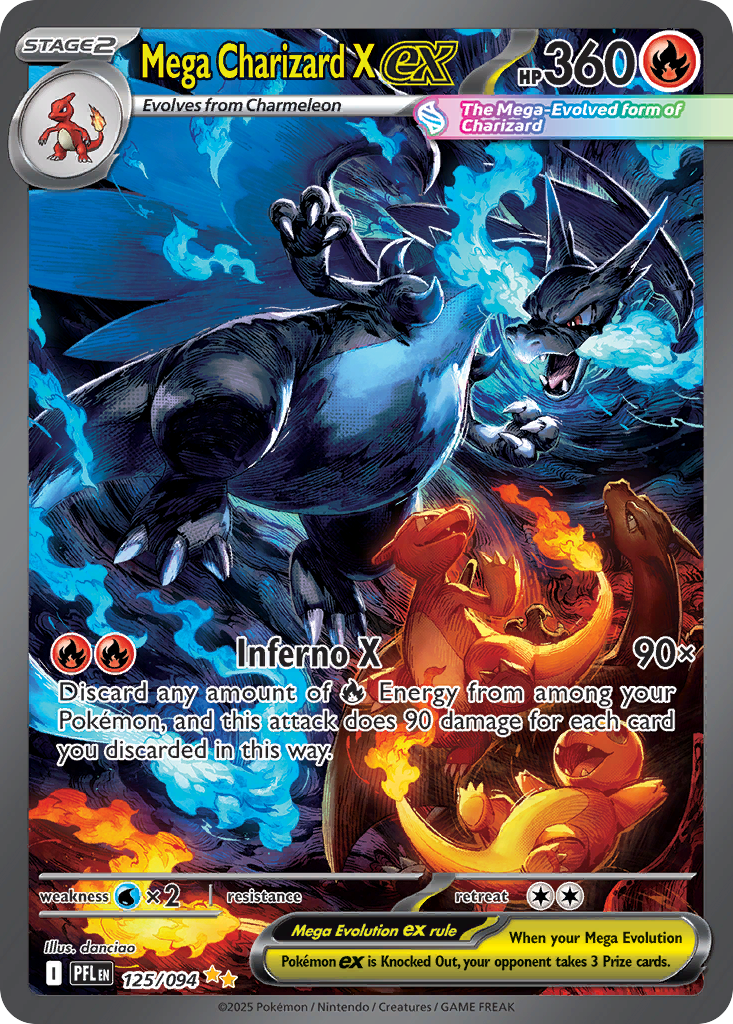
Mega Charizard X ex 125/094
Phantasmal Flames (Mega Evolution)
$660.69 market
eBay ask $569.99
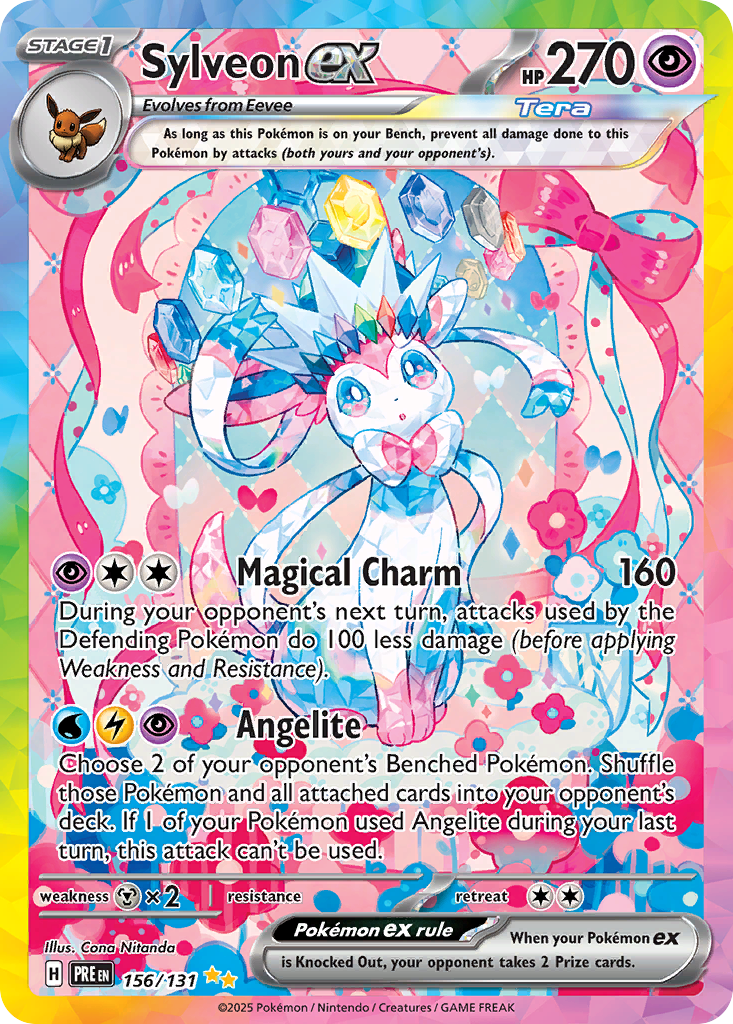
Sylveon ex 156/131
Prismatic Evolutions
$476.49 market
eBay ask $389.00
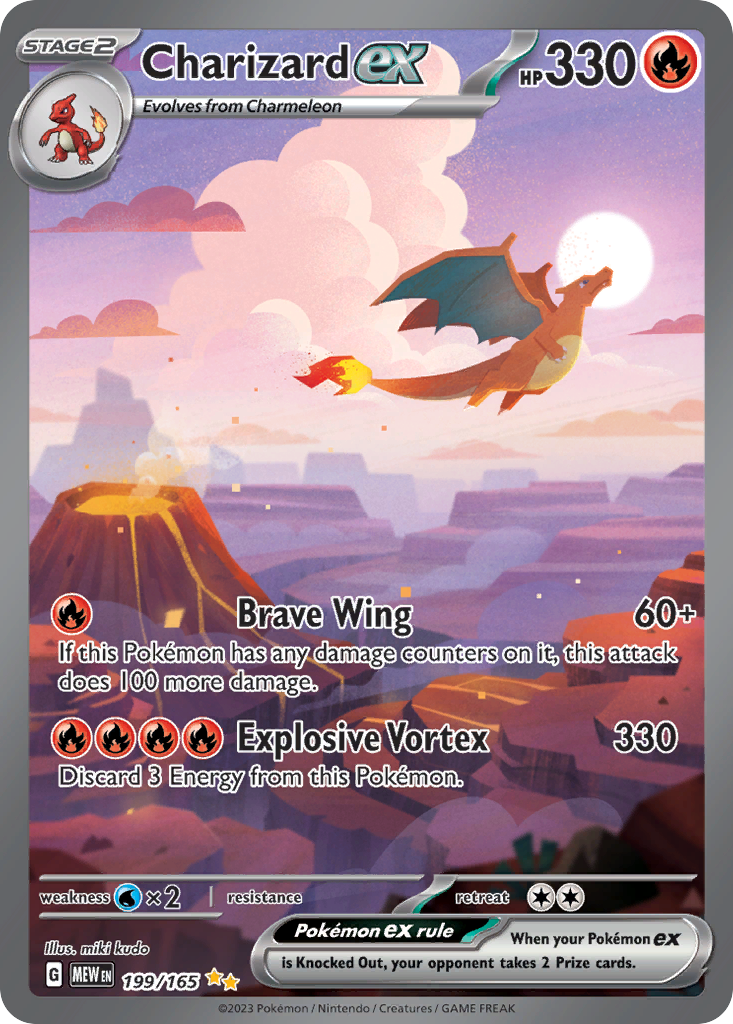
Charizard ex 199/165
Pokémon 151
$351.74 market
eBay ask $270.00
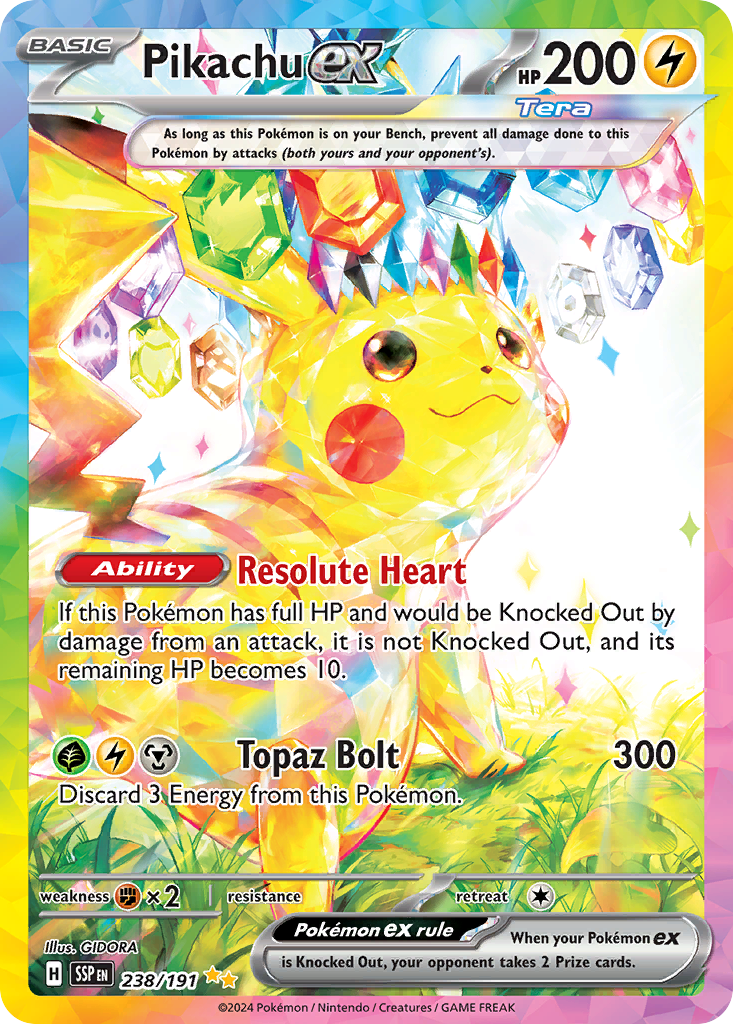
Pikachu ex 238/191
Surging Sparks
$286.31 market
eBay ask $85.00
Zekrom ex 166/086
Black Bolt
$269.93 market
eBay ask $259.95
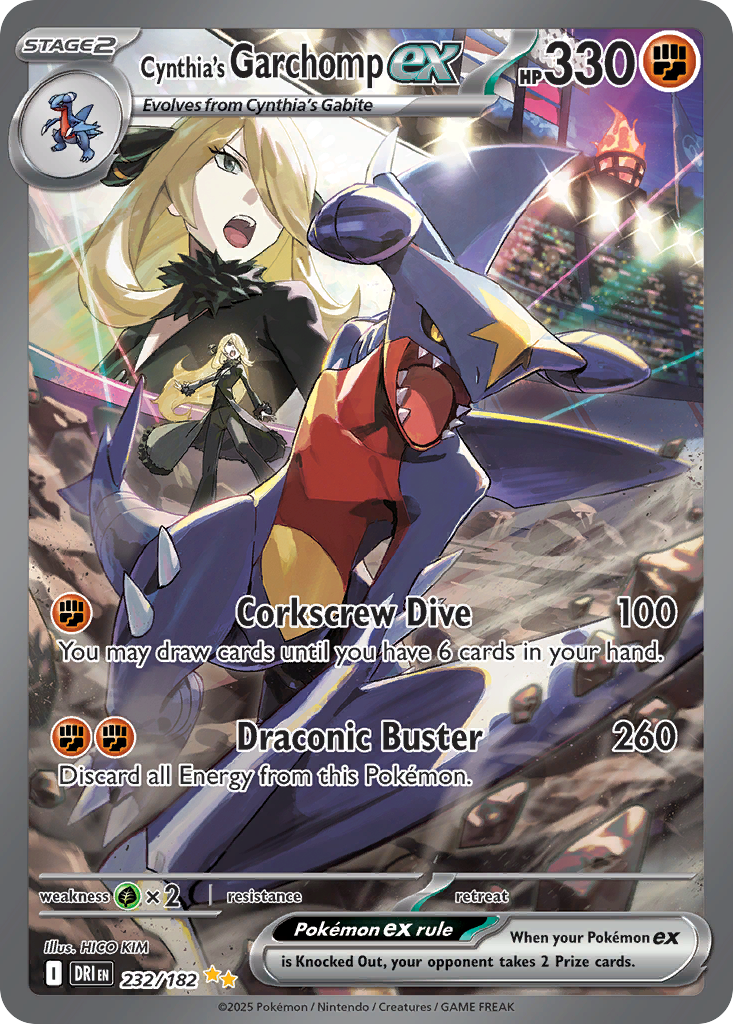
Cynthia's Garchomp ex 232/182
Destined Rivals
$200.83 market
eBay ask $101.00
Reshiram ex 166/086
White Flare
$180.86 market
eBay ask $181.28
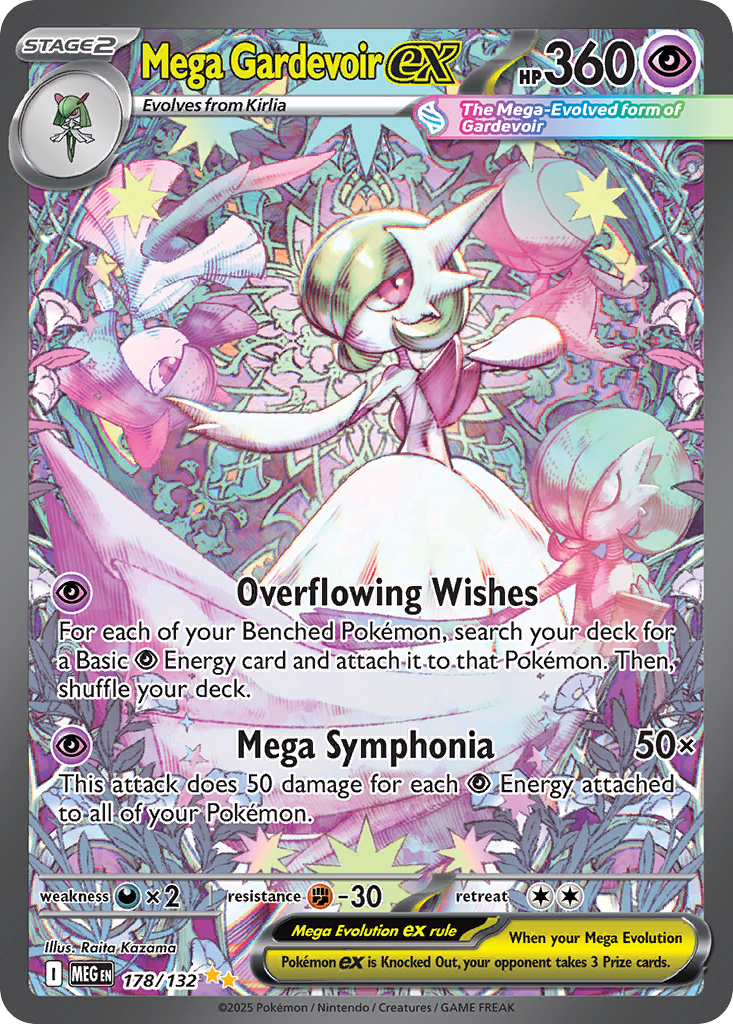
Mega Gardevoir ex 178/132
Mega Evolution (ME01)
$171.96 market
eBay ask $79.12
Browse the full chase card price tracker, or the record-setters on most expensive modern cards (rebuilt from live data) and most expensive ever sold.
Valuing your own cards: the 4-step version
- Identify precisely. Set symbol + collector number + variant. "Charizard" is not a card; "Charizard ex 199/165, SV 151, SIR" is.
- Check the market price for the raw card — that's your anchor for anything modern and common enough to trade daily.
- Check sold comps — filter eBay to Sold Items. For graded cards, compare only the same grade from the same grader.
- Decide with the spread. Selling? Expect sold-comp money minus fees. Buying? Anything priced far above sold comps is an ask waiting to be negotiated. Grading? Only when the specific card's PSA 10 comps beat raw price plus grading cost.
Check sold comps for any card
Filter to Sold Items — the number buyers actually paid is the only value that matters
Affiliate links — we earn a small commission on eBay purchases at no cost to you.
FAQ
How do I find out what my Pokémon card is worth?
Identify the exact card first — set name and collector number (bottom corner), plus the variant (holo, reverse, full art). Then check two numbers: the TCGplayer market price (what recent sales average) and eBay sold listings (what real buyers actually paid, including for graded copies). Asking prices — what sellers list at — are not values; sold prices are. Our card pages show the live market price and link directly to sold comps for each card.
What is the difference between market price, sold comps, and asking price?
Market price is a rolling average of recent sales on TCGplayer — the best single estimate for raw modern cards. Sold comps are individual completed eBay sales — the ground truth, especially for graded cards and anything rare enough to sell infrequently. Asking price is just what a seller hopes for; on thin markets asks routinely sit far above what anything actually sells for. When this site can only find an asking price, we label it as an ask — a number to negotiate from, not a value.
How much more is a PSA 10 worth than a raw card?
It varies card by card — there is no universal multiplier, which is why quoting one is a red flag. For chase cards the gap can be several times the raw price; for bulk it can fail to cover the grading fee. Compare the raw market price against PSA 10 sold comps for the specific card before grading anything: our tracked card pages pair both numbers.
Why do price sites disagree about my card's value?
Because they measure different things: some show averages of sales, some scrape asking prices, some lag the market by weeks. This site's order of preference: TCGplayer market price first, actual sold comps second, and the cheapest live eBay listing only as a labeled ask when nothing better exists. When sources disagree meaningfully, the honest answer is a range.
Where is the best place to sell Pokémon cards?
For most single cards, eBay reaches the most buyers and its sold history sets the expectation for what you'll get; fees and shipping come off the top. Local card shops pay less but pay today. For high-value graded cards, consignment through a major auction house becomes worth the commission. Whatever the venue: price from sold comps, not from other sellers' asks.